
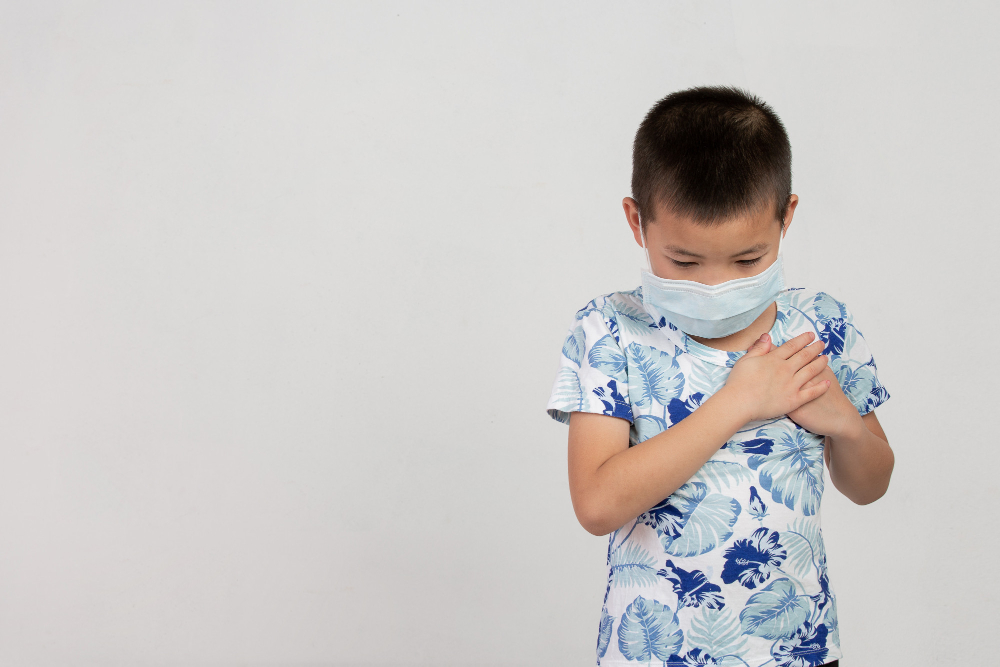
What is Pneumonia in Children?
Pneumonia in children is a lung infection that can make it hard for kids to breathe. It happens when germs like bacteria or viruses infect the lungs. As a result, the air sacs in the lungs fill with fluid or pus. This makes it tough for oxygen to reach the blood. According to the World Health Organization (WHO), pneumonia is a leading cause of illness in children under five years old. Early detection and care are important for a quick recovery.
Common Symptoms
Children with pneumonia may show different signs. However, some symptoms are more common. Knowing these can help parents act quickly. For example, you might notice:
Sometimes, symptoms like vomiting or belly pain can also occur. If your child has trouble breathing or looks very sick, seek help right away.
Causes and Risk Factors
Pneumonia in kids can be caused by several germs. Most often, viruses are the main cause, especially in young children. However, bacteria can also lead to pneumonia. Less often, fungi or other organisms may be involved. Some common causes include:
Some children are at higher risk. For instance, babies under two years old, kids with weak immune systems, or those with asthma face greater danger. Also, children exposed to secondhand smoke or crowded living conditions are more likely to get sick.
Diagnosis Methods
Doctors use several ways to diagnose childhood pneumonia. First, they ask about your child’s symptoms and health history. Next, they listen to the lungs with a stethoscope. Sometimes, doctors order tests to confirm the diagnosis. These may include:
In some cases, doctors may collect mucus samples. This helps find out which germ is causing the illness. Quick diagnosis leads to better pediatric pneumonia treatment.
Treatment Options
Treatment for pneumonia in children depends on the cause and how sick the child is. Most mild cases can be treated at home. However, some children may need hospital care. Common treatments include:
Always follow your doctor’s advice. Never give antibiotics unless prescribed. For viral pneumonia, antibiotics do not help. Most children recover with proper care and rest.
Home Care and Lifestyle Guidance
While your child recovers, there are steps you can take at home. These can help your child feel better and heal faster. For example:
Additionally, watch for signs that your child is getting worse. If you notice trouble breathing, high fever, or confusion, seek medical help right away.
Prevention Tips
Preventing pneumonia in kids is possible with a few simple steps. For instance, you can:
Because prevention is better than cure, these steps can lower your child’s risk of getting pneumonia.
When to See a Doctor
Sometimes, pneumonia can become serious. You should call your doctor if your child:
Early medical care can prevent problems. If you are unsure, it is always best to check with your child’s doctor.
If your child shows signs of pneumonia, such as cough, fever, or difficulty breathing, consult a pediatrician at Value Med Super Specialty Clinics for personalized care and treatment options.